

The Importance of Security Road Blockers in Modern Safety Protocols
In an age where security threats are evolving at an alarming rate, the importance of robust security measures cannot be overstated. Among these measures, security road blockers have emerged as a crucial component in safeguarding people, infrastructure, and assets. Here, we explore the significance of these devices and their role in fortifying security systems.
What Are Security Road Blockers?
Security road blockers are heavy-duty barriers installed at critical access points to prevent unauthorized vehicle entry. These devices are designed to withstand high-impact collisions, providing an effective deterrent against potential threats such as vehicle-borne attacks or unauthorized access to secure zones.
Key Importance of Security Road Blockers
- Enhanced Perimeter Security Security road blockers act as a first line of defense, ensuring that only authorized vehicles can enter sensitive areas. By doing so, they help to create a secure perimeter around facilities like government buildings, airports, military bases, and high-profile events.
- Mitigation of Vehicular Threats In an era where vehicular attacks have become a prevalent threat, road blockers offer a reliable solution to mitigate risks. Their ability to stop high-speed vehicles ensures that even determined attackers face significant obstacles.
- Access Control Efficiency Integrated with advanced access control systems, road blockers enhance the efficiency of security checkpoints. By automating entry processes and integrating with surveillance systems, they streamline operations while maintaining high-security standards.
- Protection of Critical Infrastructure Key installations such as power plants, data centers, and embassies require stringent security protocols. Road blockers provide a robust layer of protection, preventing unauthorized access and safeguarding critical assets from potential sabotage or theft.
- Deterrence Factor The mere presence of a road blocker can act as a psychological deterrent to potential attackers. Their imposing structure signals that the site is well-secured, discouraging any attempts to breach security.
- Customizable Solutions Modern security road blockers are highly customizable, allowing organizations to adapt them to their specific needs. From hydraulic and pneumatic systems to crash-rated designs, these blockers can be tailored for various levels of security and operational requirements.
- Emergency Response Capabilities In emergencies, such as terrorist threats or security breaches, road blockers can be deployed instantly to secure a site. This rapid response capability is invaluable in preventing escalation and minimizing potential damage.
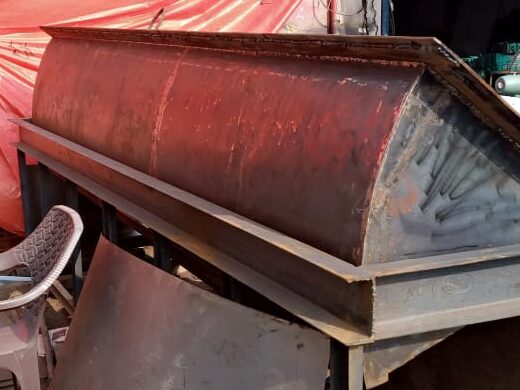
Real-World Applications of Security Road Blockers
- Airports and Transportation Hubs: Preventing unauthorized vehicle access to sensitive areas.
- High-Security Facilities: Protecting government buildings, embassies, and military bases.
- Events and Gatherings: Securing public events against vehicular threats.
- Industrial and Commercial Sites: Safeguarding valuable assets and infrastructure.
Conclusion
Security road blockers are no longer optional in today’s security landscape. As threats become increasingly sophisticated, investing in these devices is essential for ensuring comprehensive protection. Their ability to deter, delay, and defend against vehicular threats makes them a critical component in modern security strategies. Organizations seeking to safeguard their people and assets must prioritize the integration of security road blockers into their safety protocols.