

How To Choose Best Fire Rated Door
Selecting the appropriate fire-rated door is crucial for ensuring the safety and integrity of any building. These doors are designed to withstand fire and prevent its spread, providing occupants with vital time to evacuate and protecting property from extensive damage. This guide outlines key considerations to help you choose the best fire-rated door for your needs.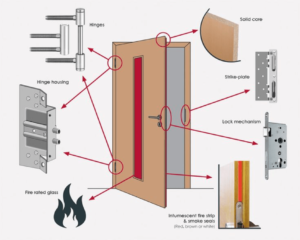
- Understand Fire Door Ratings
Fire door ratings indicate the duration a door can withstand fire exposure, typically measured in minutes (e.g., 20, 45, 60, 90, or 120 minutes). The appropriate rating depends on factors such as building occupancy, usage, and local building codes. For instance, a hospital may require doors with higher fire ratings due to the presence of vulnerable individuals and critical equipment.
- Choose the Right Material
Fire-rated doors are constructed from various materials, each offering unique benefits:
- Steel: Known for its durability and strength, steel is a popular choice for industrial fire-rated doors. It provides excellent resistance to fire and requires minimal maintenance.
- Timber: Often used in residential settings, timber offers a balance between aesthetics and fire resistance. Solid wood doors can be treated to enhance their fire-resistant properties.
- Glass: Fire-rated glass allows for visibility while maintaining safety. It is often used in combination with other materials to create a door that meets both aesthetic and safety requirements.
- Assess Building Requirements
Evaluate your building’s specific needs to select the appropriate fire-rated door. Different environments have unique fire safety requirements. For example, a hospital may require doors with higher fire ratings due to the presence of vulnerable individuals and critical equipment. In contrast, an office building might need doors that balance fire safety with aesthetic appeal.
- Ensure Compliance with Safety Standards
Adherence to local and national fire safety regulations is essential. Familiarize yourself with standards such as NFPA 80, NFPA 101, and the International Building Code, which provide guidelines for fire-rated doors. Consulting with local building authorities can help you identify the ratings necessary for each doorway.
- Consider Aesthetic and Functional Features
While safety is paramount, the door should also complement the architectural style of your building. Balancing design and safety ensure that your building remains both safe and visually appealing. Additionally, consider functional features such as smoke seals and automatic closing mechanisms to enhance the door’s performance during emergencies.
- Prioritize Proper Installation and Maintenance
Proper installation and regular maintenance are crucial to ensuring the effectiveness of fire-rated doors. Improper installation can compromise the door’s ability to contain fire and smoke. Consulting with fire safety professionals and knowledgeable door hardware suppliers is essential. They provide guidance on meeting building codes and specific needs, ensuring that the doors are installed correctly.
Conclusion
Selecting the right fire-rated door involves a comprehensive assessment of your building’s specific needs, compliance with safety standards, and consideration of both functional and aesthetic aspects. By understanding fire door ratings, choosing appropriate materials, and ensuring proper installation and maintenance, you can enhance the safety and integrity of your building. Consulting with fire safety experts can provide tailored advice that aligns with your building’s specific requirements.
Visual Aids
- Fire Door Rating Chart: A visual representation of different fire door ratings and their corresponding timeframes can aid in understanding and selecting the appropriate door.
- Material Comparison Table: A comparative chart highlighting the pros and cons of different materials (steel, timber, glass) used in fire-rated doors can assist in making an informed decision.